

Keeping a vehicle reliable is less about luck and more about steady, thoughtful maintenance. Parts wear, fluids age, and small issues slowly build until they show up as breakdowns or expensive repairs. Most of that can be kept in check with a simple routine that looks after the basics on a regular schedule.
Once you know which services matter most, it becomes easier to plan ahead instead of waiting for something to fail.
Why Preventative Maintenance Pays Off Over Time
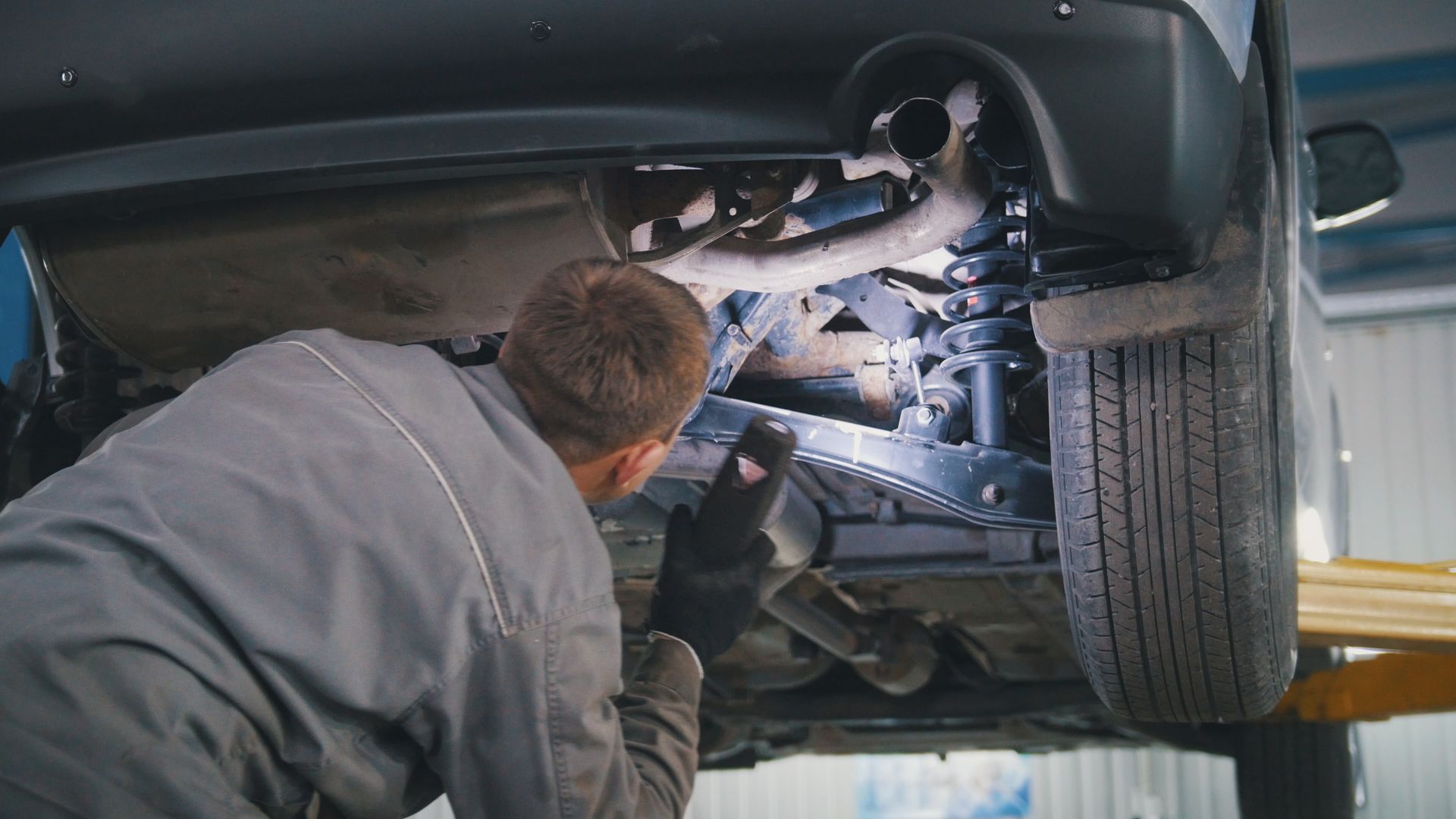
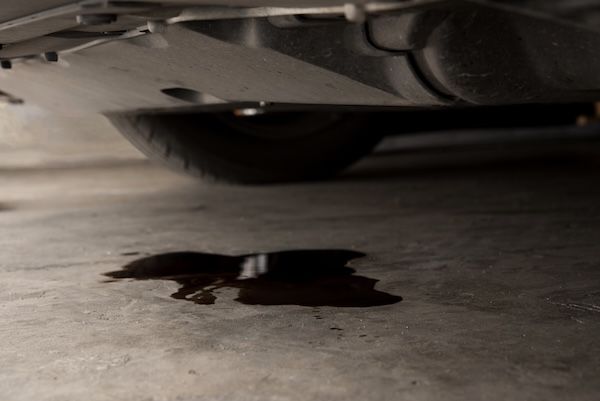
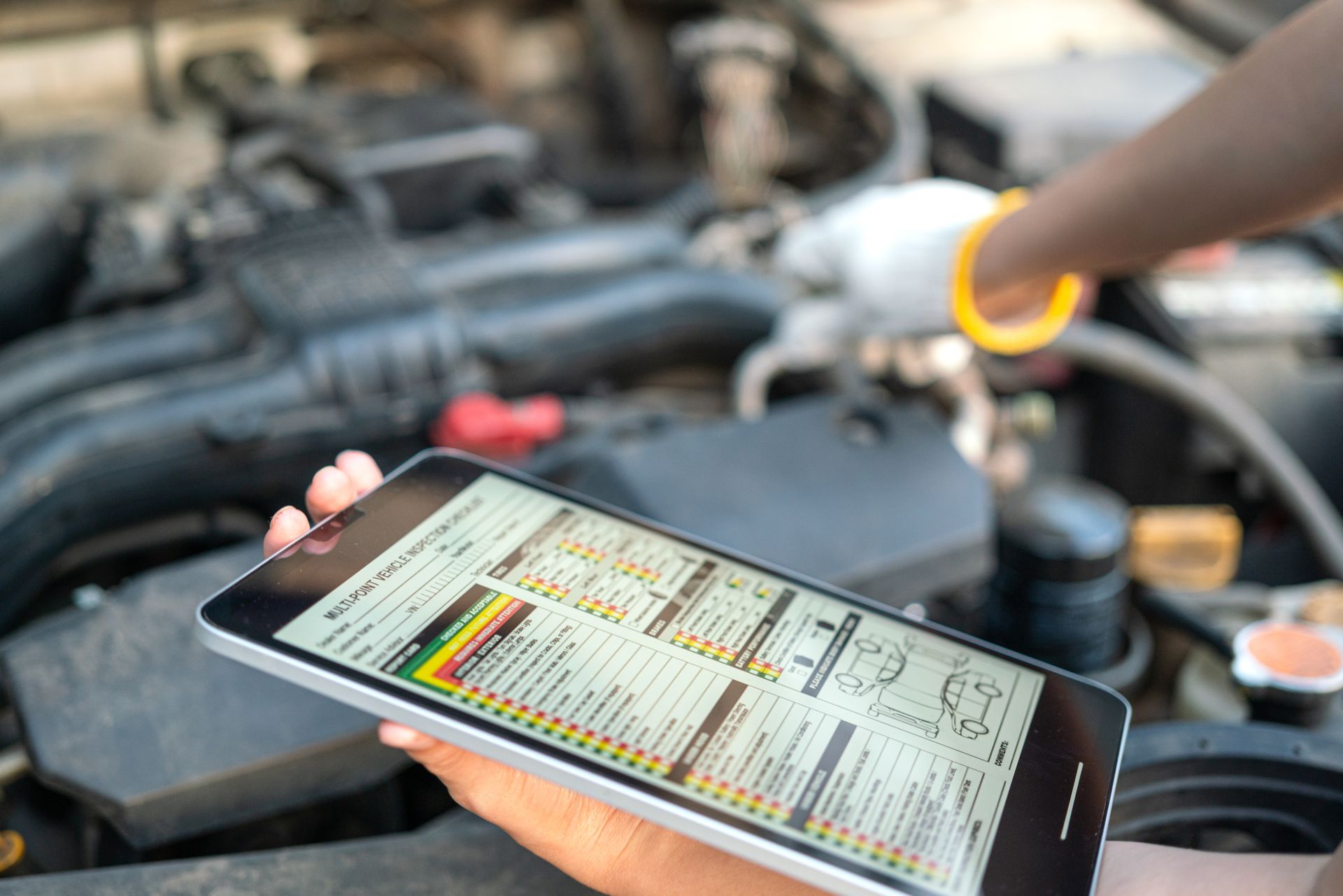
Preventative maintenance is about handling wear and tear before it turns into a tow bill. When services are spaced out correctly, you usually avoid sudden failures, sharp drops in fuel economy, and uneven tire or brake wear. It also gives technicians regular chances to spot leaks, noises, or play in components while repairs are still straightforward.
We have seen many vehicles go well past 150,000 miles with fewer big surprises simply because their owners stayed consistent with the basics.
Engine Oil and Filter: Your First Line of Protection
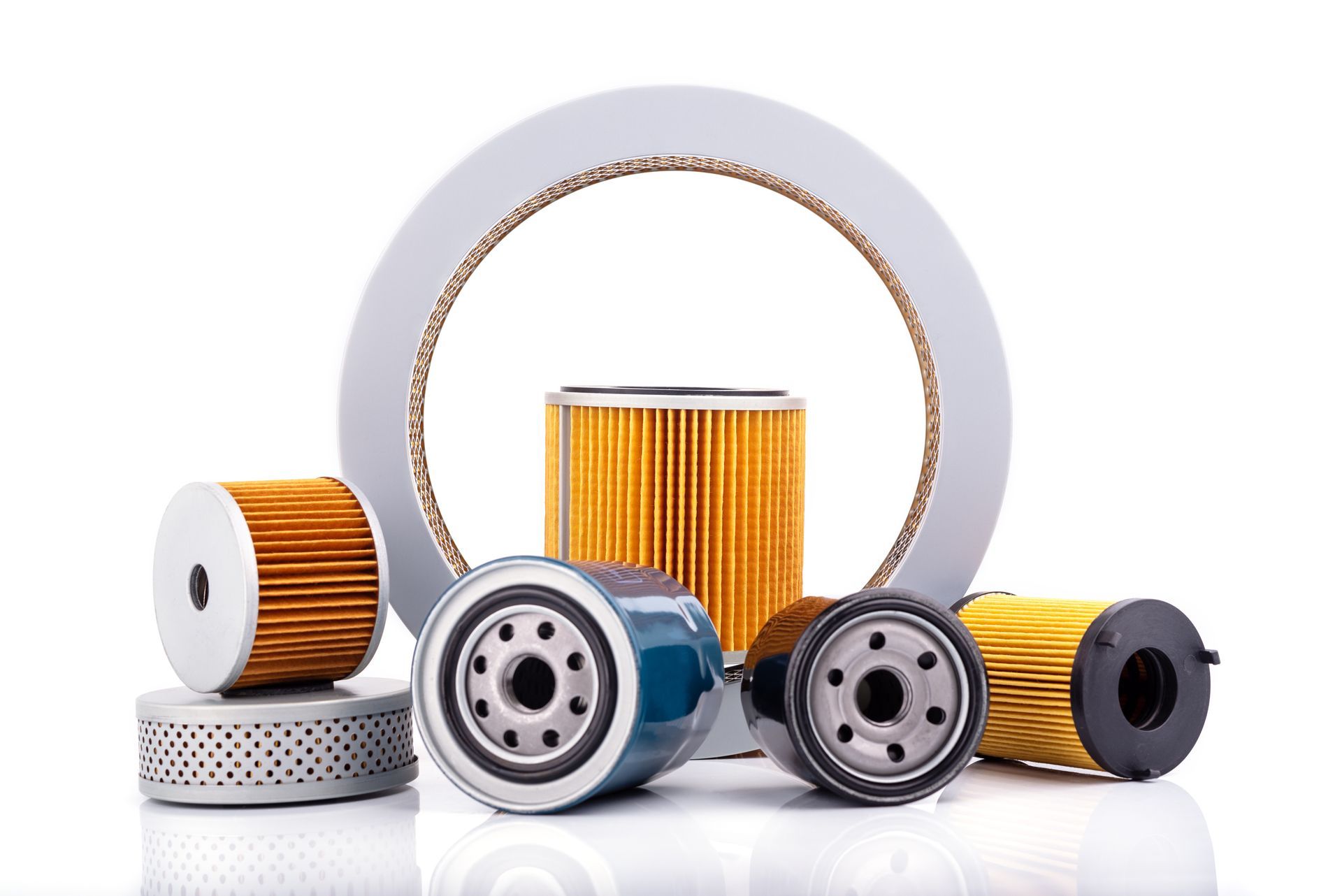
Oil changes are still the backbone of any maintenance checklist. Modern engines run with tighter clearances and higher temperatures than older ones, so clean oil and a good filter matter a lot. Waiting too long between services lets sludge form, increases wear on timing components, and can make turbochargers or variable valve timing parts stick.
Your owner’s manual may list a “normal” and a “severe” schedule; most real-world driving falls closer to the severe side with short trips and stop-and-go traffic. Our technicians like to match the interval to how the car is actually used, not just what looks best on paper.
Fluids, Belts, and Hoses That Quietly Age
Fluids, belts, and hoses usually do their jobs in the background until they suddenly do not. Heat cycles, time, and contamination slowly break them down, even if the mileage is low. A practical preventative checklist often includes:
- Coolant replacement before corrosion and scale start attacking the cooling system
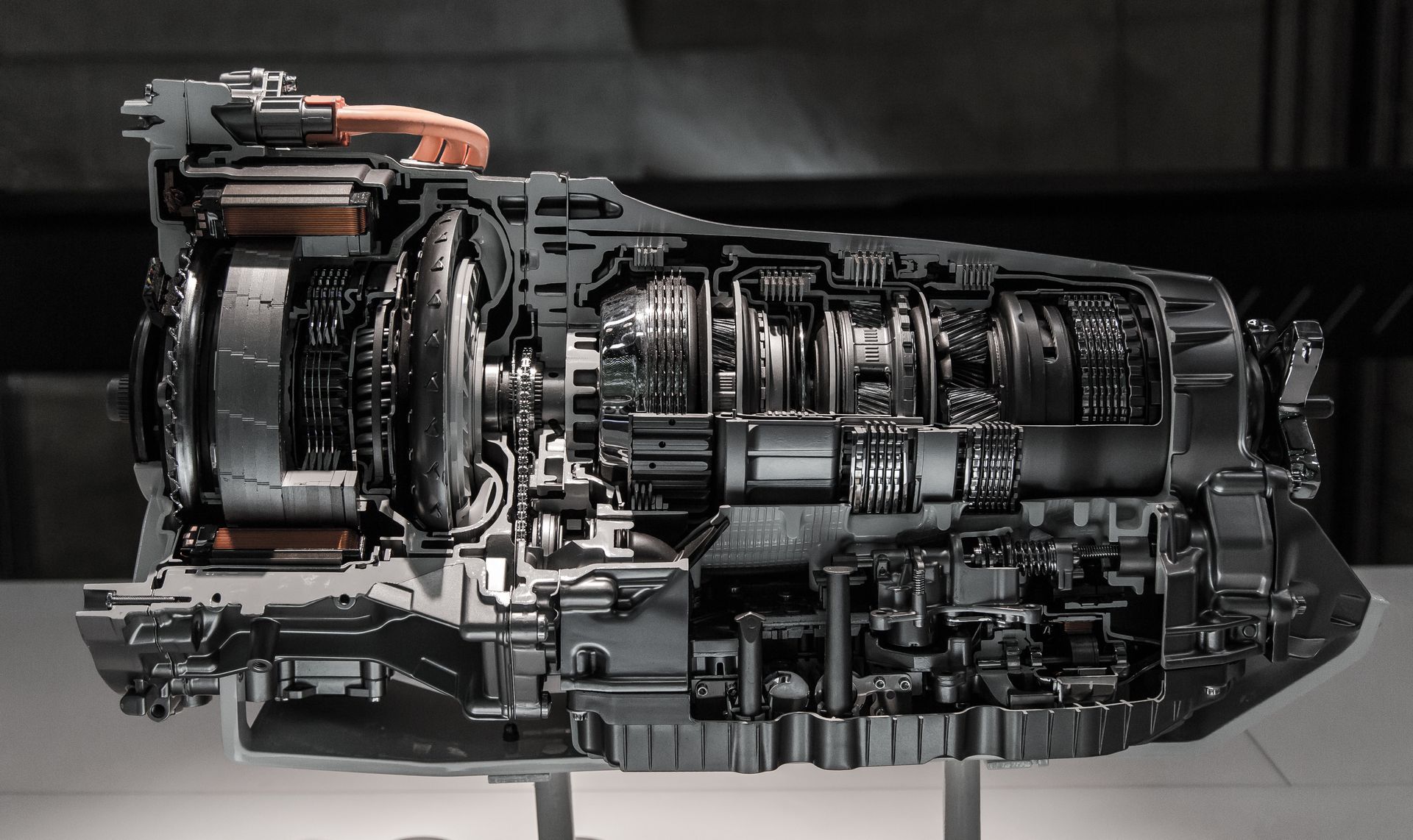
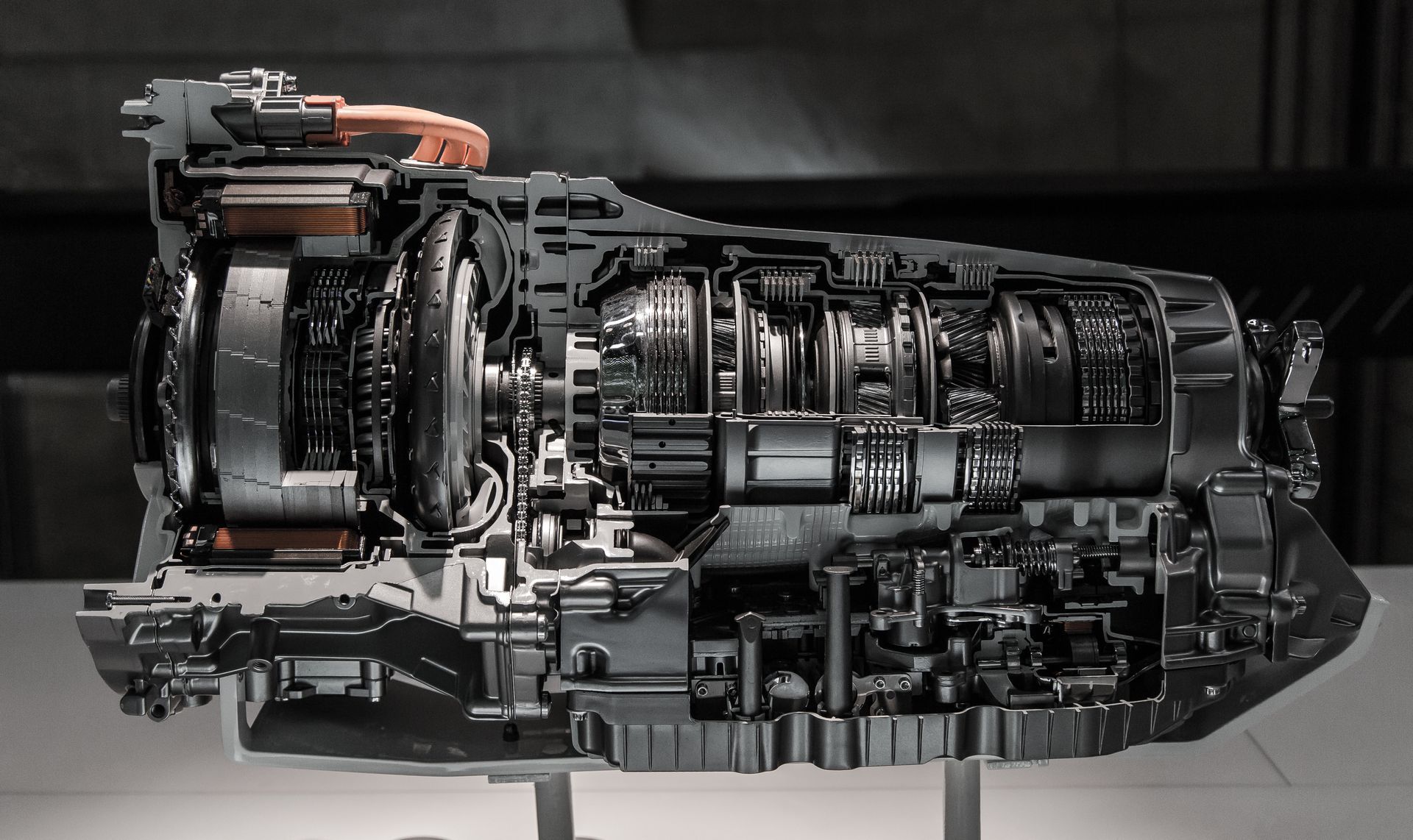
- Automatic transmission or CVT fluid service where the manufacturer allows it
- Brake fluid exchanges to remove moisture that can corrode internal components
- Power steering or transfer case fluids, where equipped, on the suggested schedule
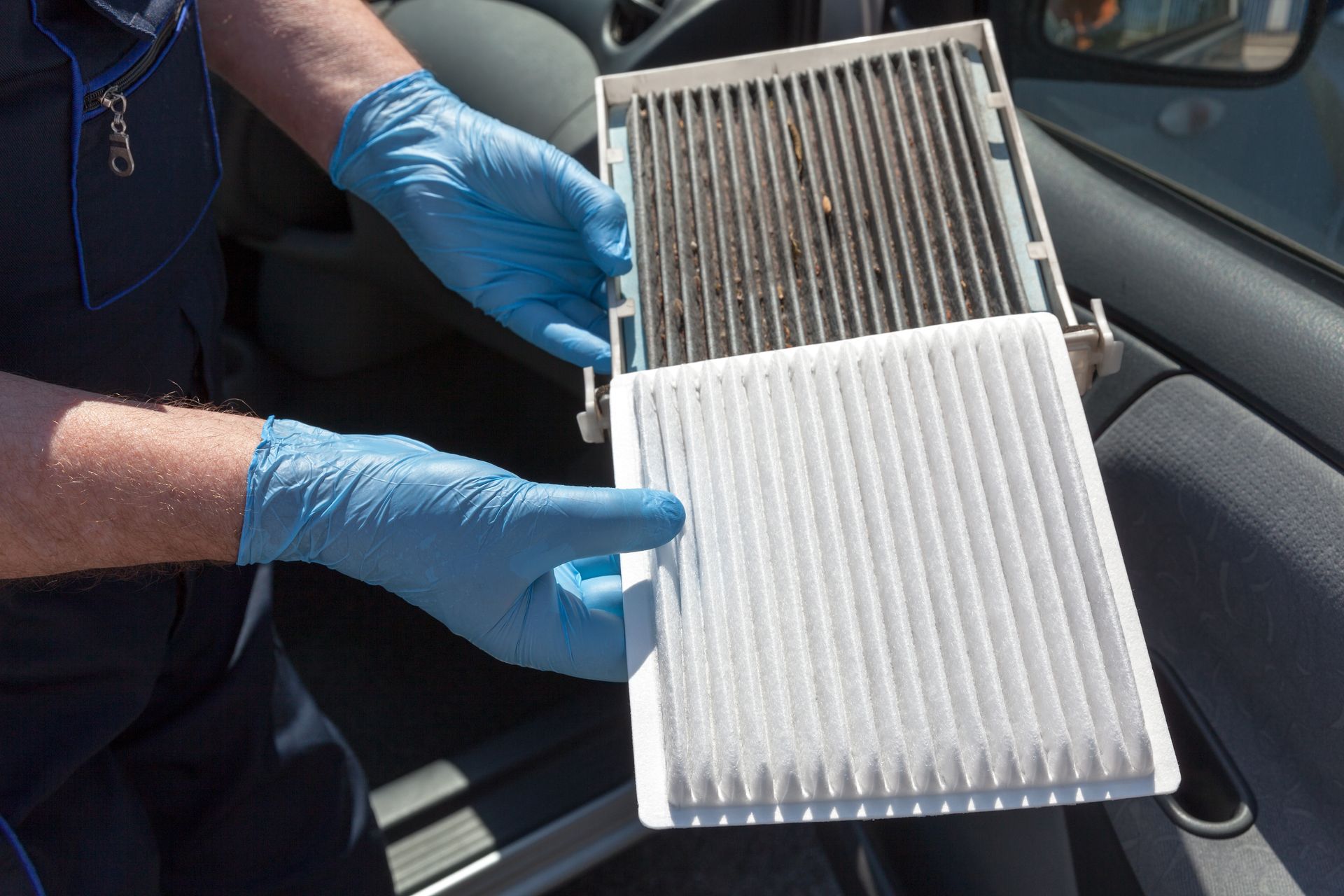
- Inspection and replacement of serpentine belts and key coolant or heater hoses
Taking care of these items early helps prevent overheating, hard shifting, internal rust, and sudden belt or hose failures on the road.
Brakes, Tires, and Alignment Checks
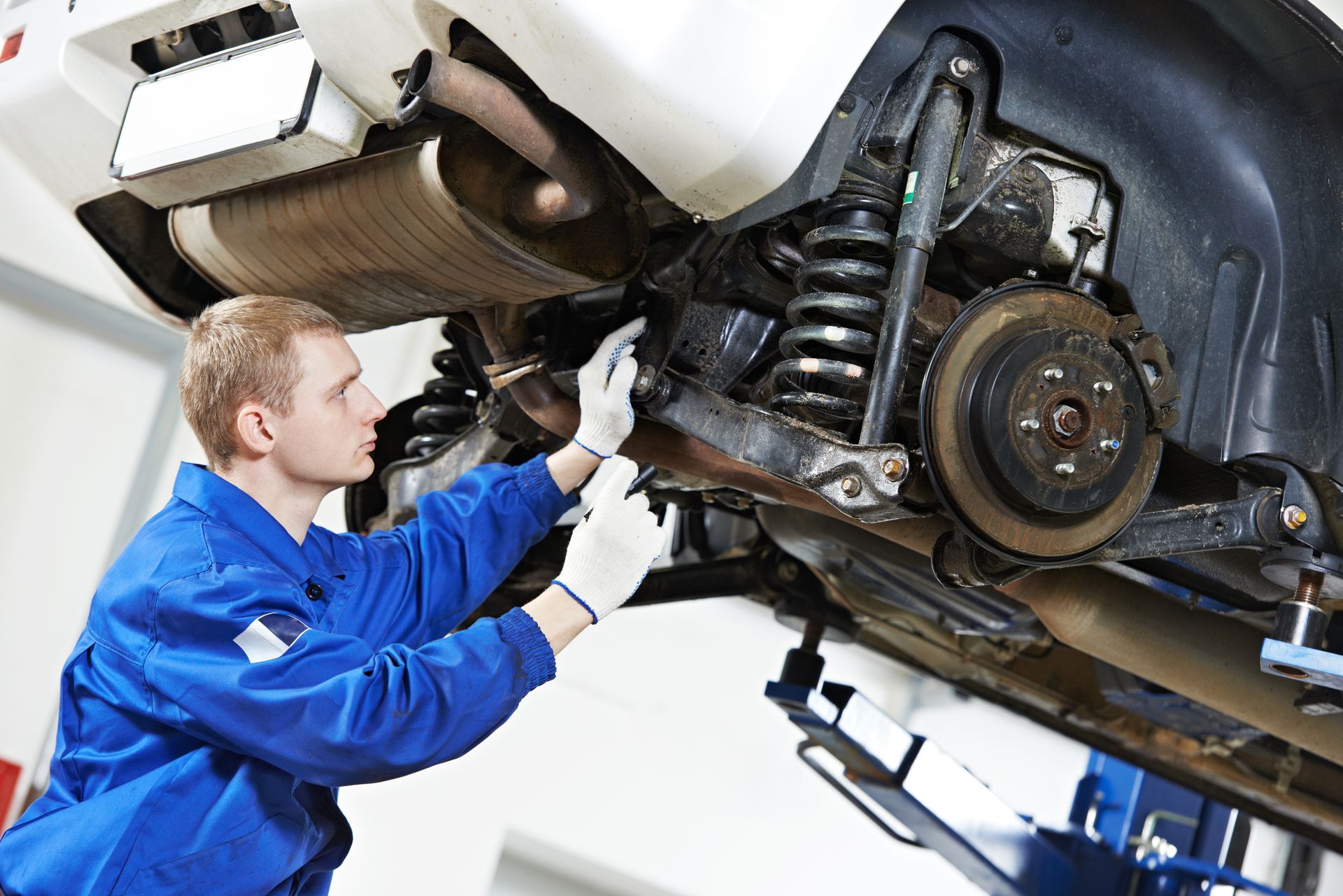
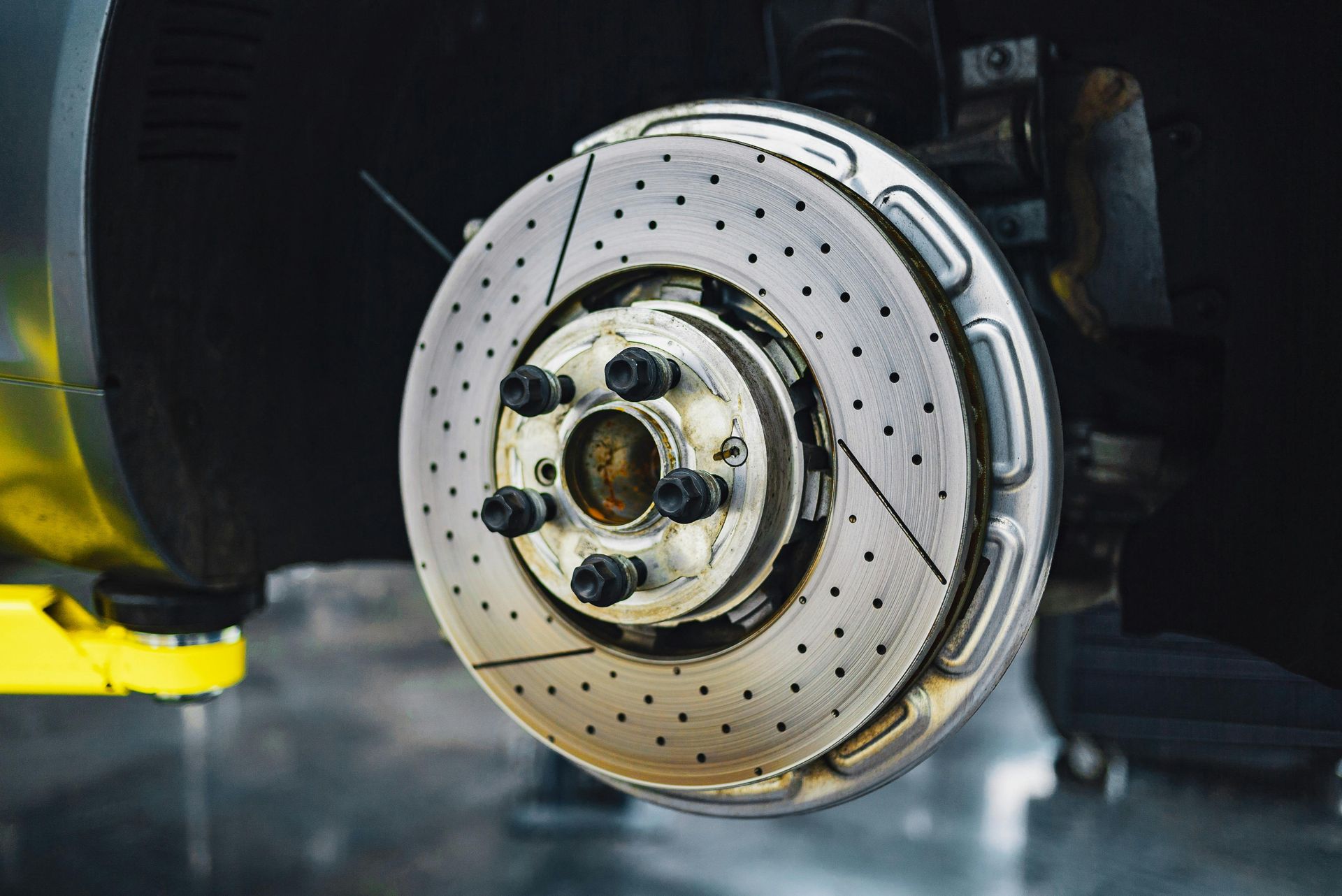
Brakes and tires are the parts that keep you in control, so they deserve regular attention. Rotating tires on a set schedule spreads wear more evenly and gives a chance to spot nails, sidewall damage, or developing wear patterns. Periodic brake inspections catch thinning pads, sticking calipers, or warped rotors before they affect stopping distance.
A check of wheel alignment when new tires go on, or after a hard impact, keeps the car tracking straight and protects your tire investment. We often catch small suspension issues during these checks that would have become bigger problems later.
Battery, Charging, and Starting System Care
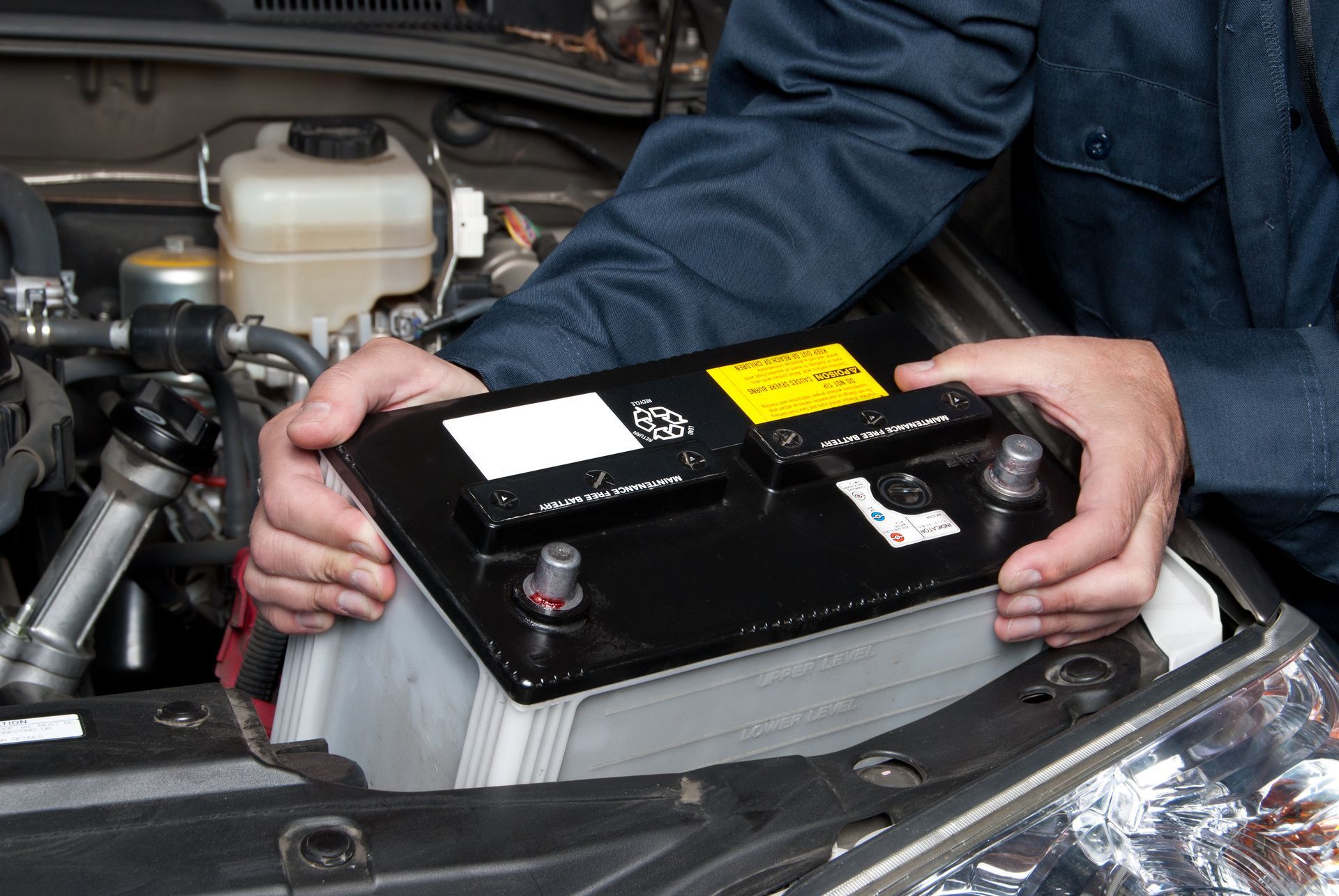
Batteries tend to fail when the weather swings hot or cold, which is exactly when you want the car to start without hesitation. A preventative approach includes testing the battery’s capacity, not just its voltage, and checking how well the alternator and starter are performing. Corroded terminals, loose grounds, or a weak alternator can slowly weaken even a newer battery.
Having the system tested every year or before a season change is usually enough to avoid the surprise of a no-start in a parking lot.
Simple Owner Habits That Stretch Your Maintenance Dollar
You do not need a huge budget or constant shop visits to keep a car healthy. A few quick habits at home go a long way toward preventing big repair bills.
- Check tire pressures monthly. Proper pressure keeps rolling resistance down, helps tread wear evenly, and improves fuel economy.
- Pay attention to new noises. Any new clunk, squeal, rattle, or hum is a clue. Catching it early often means a smaller, cheaper repair.
- Notice changes in feel. If steering, braking, or shifting starts to feel different, even slightly, it is worth mentioning at your next visit.
- Take warning lights seriously. Address check engine, ABS, or other warnings promptly instead of ignoring them, so small issues do not turn into major failures.
- Follow a simple, realistic plan. Work with your shop to build a maintenance schedule that matches how you drive and what you can budget, so the car stays dependable without constant surprises.
Get Preventative Maintenance in Greenville, SC with Roper Mountain Auto Care
We can build a preventative maintenance plan around your vehicle, your driving habits, and the manufacturer’s recommendations. From fluids and filters to brakes, tires, and batteries, we focus on the services that actually keep you on the road instead of chasing unnecessary add-ons.
Call
Roper Mountain Auto Care in Greenville, SC, to schedule a maintenance visit and keep your car running strong for the long haul.