

A metal grinding noise can make your stomach drop, especially when it seems to come from underneath the vehicle. It might show up when you pull away from a stop, shift, or slow down, and it can be hard to tell what you are hearing through the floor and pedals.
Grinding usually means two hard surfaces are touching when they should not. Sometimes the fix is relatively simple if you catch it early, and other times the noise is a warning that wear has already progressed.
Either way, treat it as a sign to stop assuming and start tracking the pattern.
Metal Grinding Noises That Point To Real Wear
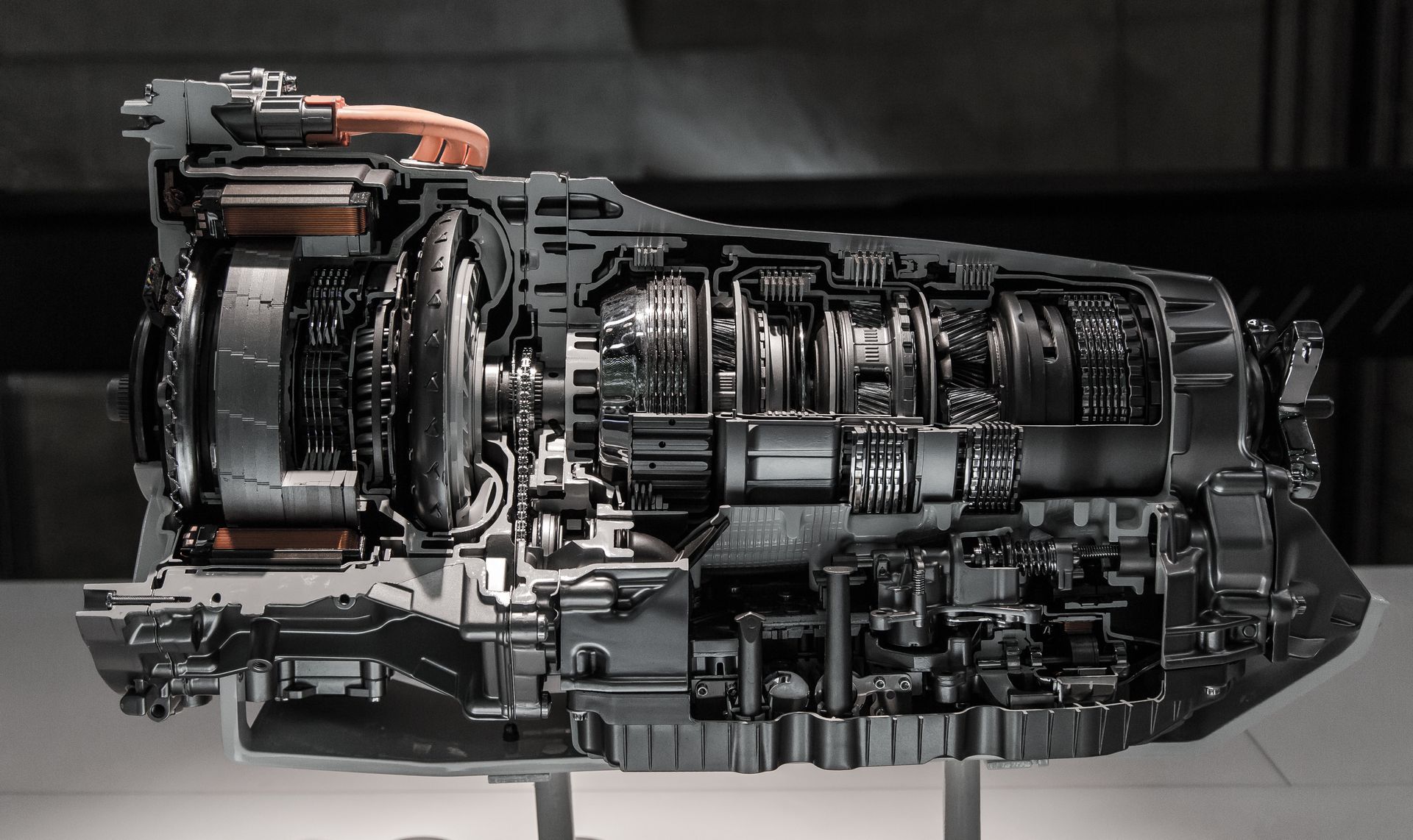
A true metal-on-metal grind often results from rotating parts that have lost proper lubrication or have worn enough to contact each other. In a transmission, that can involve bearings, gear surfaces, or internal components that are no longer running in their intended clearances.
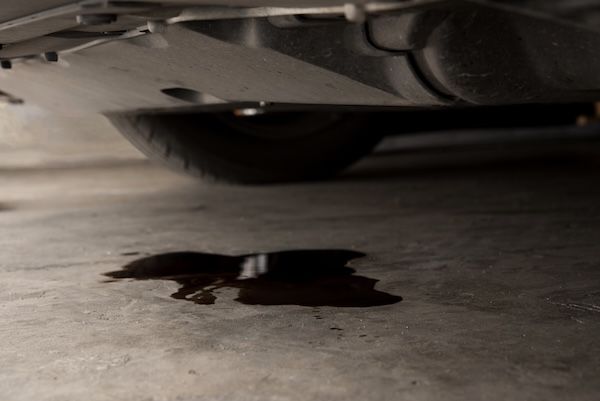
Low fluid, overheated fluid, or contaminated fluid can speed up that wear because the protective film breaks down under load. A small leak can quietly drop the level until the transmission starts running hotter in traffic and the noise becomes more noticeable.
A grinding sound is rarely something you should ignore.
When The Sound Happens Is A Big Clue
When the grinding happens, often it matters more than how loud it is. If it shows up during shifts, the problem may relate to how the transmission engages, how the clutch works on a manual, or how pressure is being applied inside an automatic.
If the noise occurs mainly during acceleration, it may indicate a load-related issue, such as a worn bearing or a damaged gear surface. If it shows up while coasting or slowing down, that can point toward parts that get noisy when load changes, including certain bearings.
Pin down the moment it happens and you narrow the search fast.
Common Causes Inside The Transmission
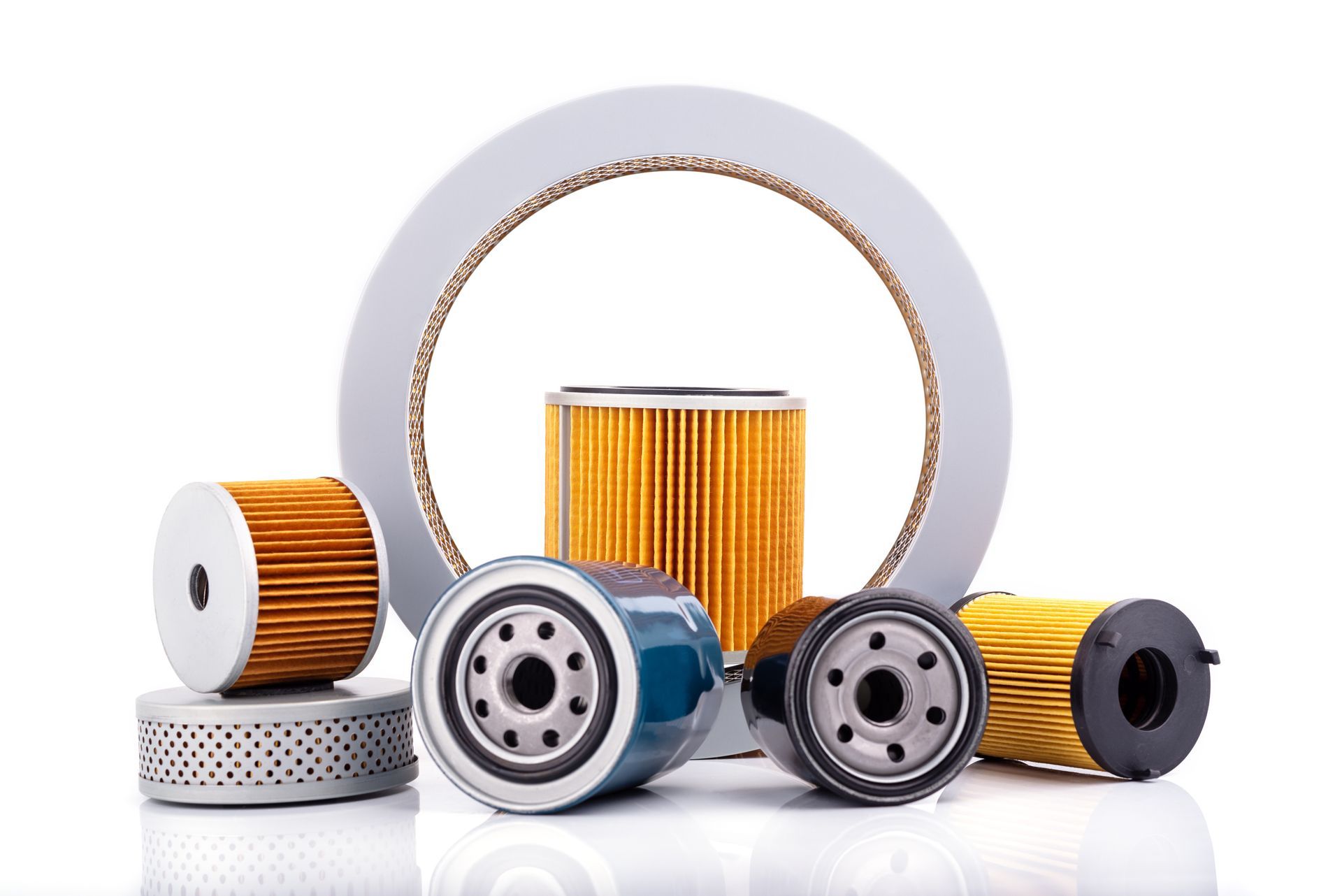
Low or degraded transmission fluid is one of the most common reasons a harsh grind starts. When fluid is low, the transmission can aerate the fluid, run hotter, and lose the cushion that keeps parts separated.
Bearing wear is another frequent source, especially if the sound changes with vehicle speed rather than engine RPM. As bearings wear, shafts can move slightly out of alignment, and the noise can shift into a growl or grind that gets worse over time.
If the noise is truly internal, driving longer often turns a repair into a rebuild.
Problems Outside The Transmission That Can Mimic It
Not every grinding sound is actually coming from the transmission, even if it feels like it is under your feet. Other rotating parts can create a very similar noise, and the fix can be completely different.
Common non-transmission causes that can sound like transmission grinding include:
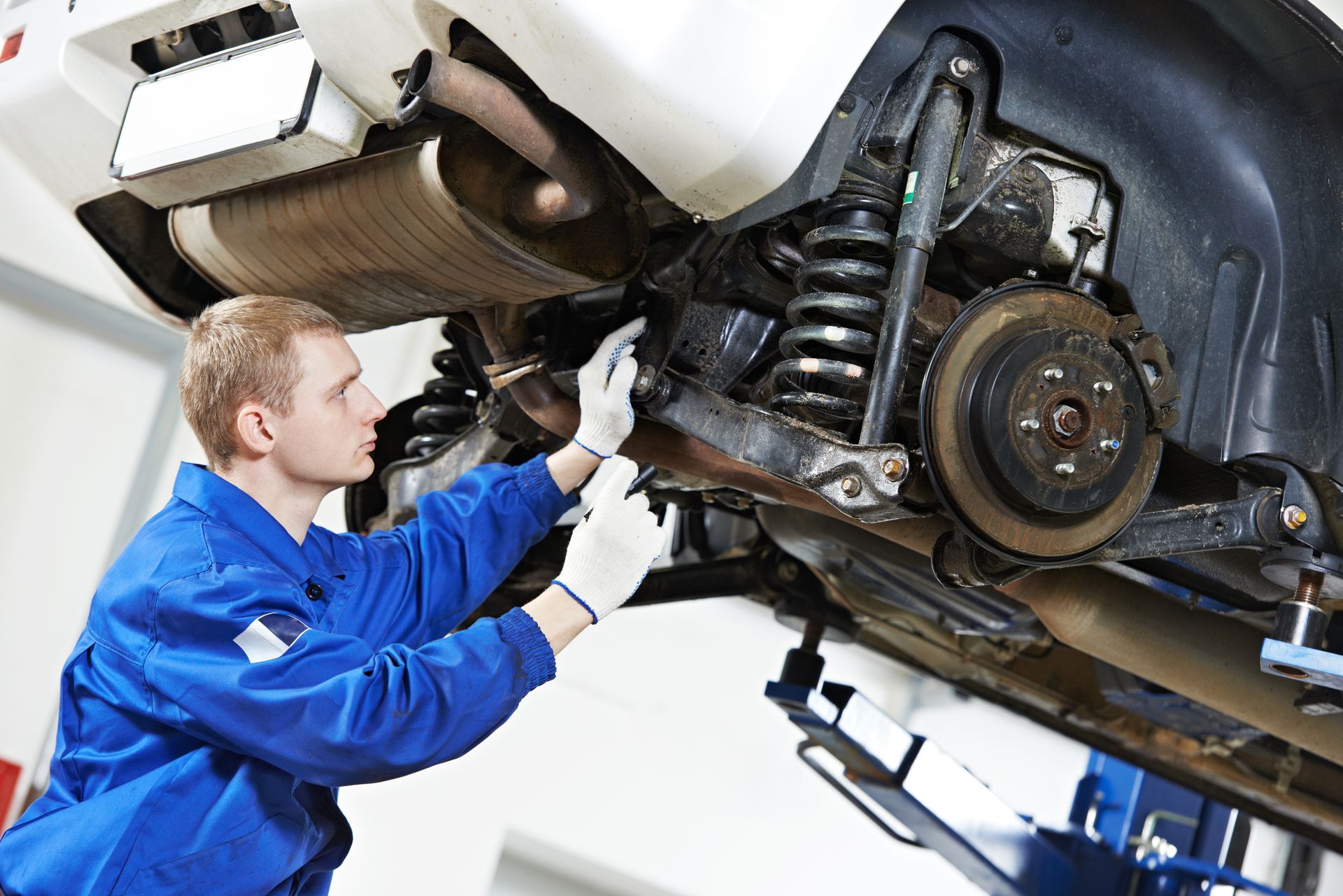
- A failing wheel bearing that gets louder with speed, often louder in turns
- A worn CV axle or joint that grinds or clicks under load and tight turns
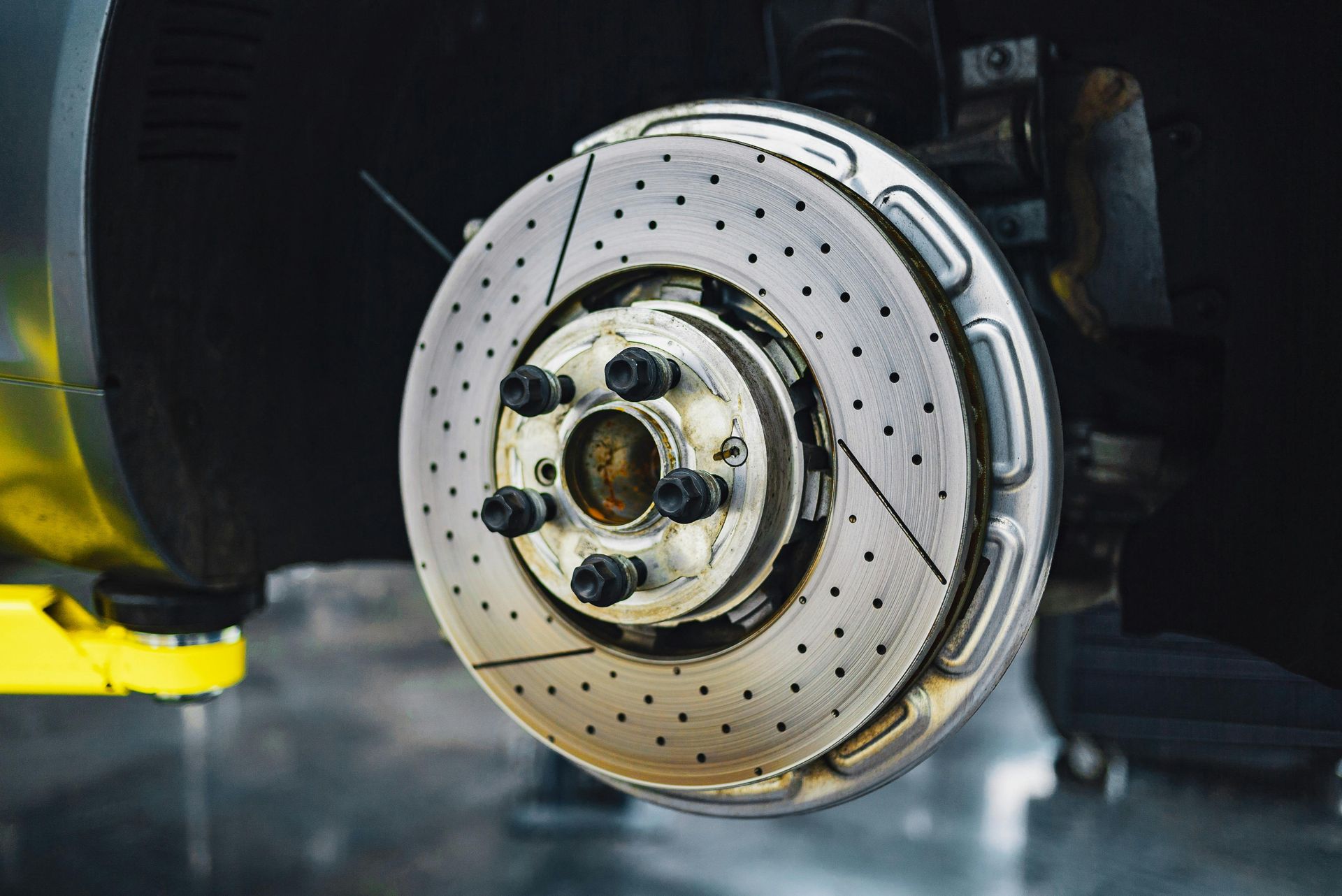
- A brake backing plate scraping the rotor, often after rust or a bump
- A failing differential or transfer case component on AWD/4WD vehicles
The faster you separate these from true transmission noise, the better.
A Simple Decision Guide For Driving Vs. Stopping
If the grinding is loud, sudden, or paired with a burning smell or fluid leaking, it is smarter to stop driving and get help. Continuing to drive can turn one worn part into several damaged parts, especially if fluid is low.
If the sound is soft and you need to move the vehicle, keep the speed low and avoid hard acceleration and long highway drives until it is checked. If you also feel slipping, delayed engagement, or the vehicle will not move normally in drive or reverse, do not push it.
The goal is to avoid the moment it leaves you stuck.
Get Transmission Noise Inspection in Greenville, SC with Roper Mountain Auto Care
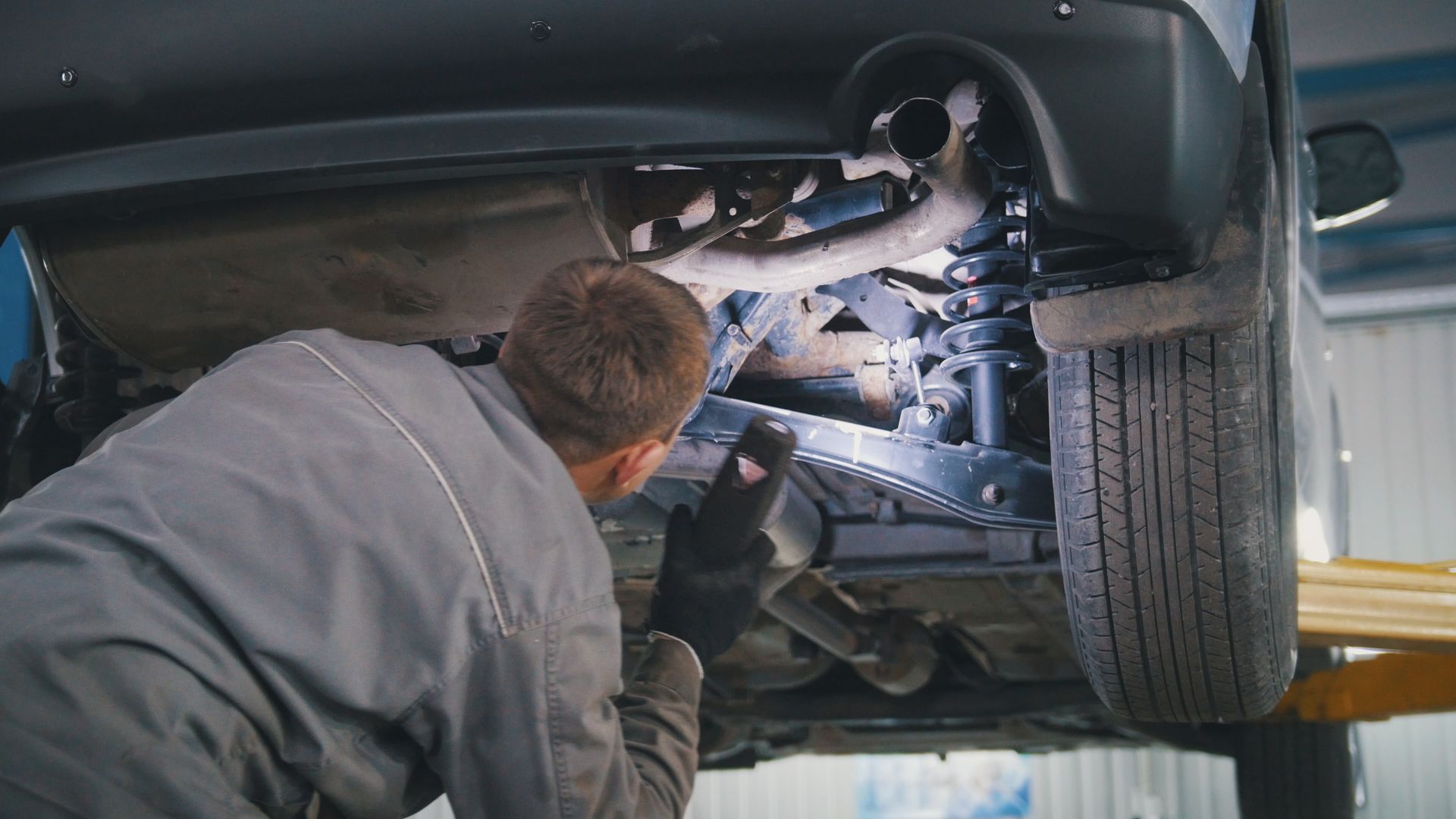
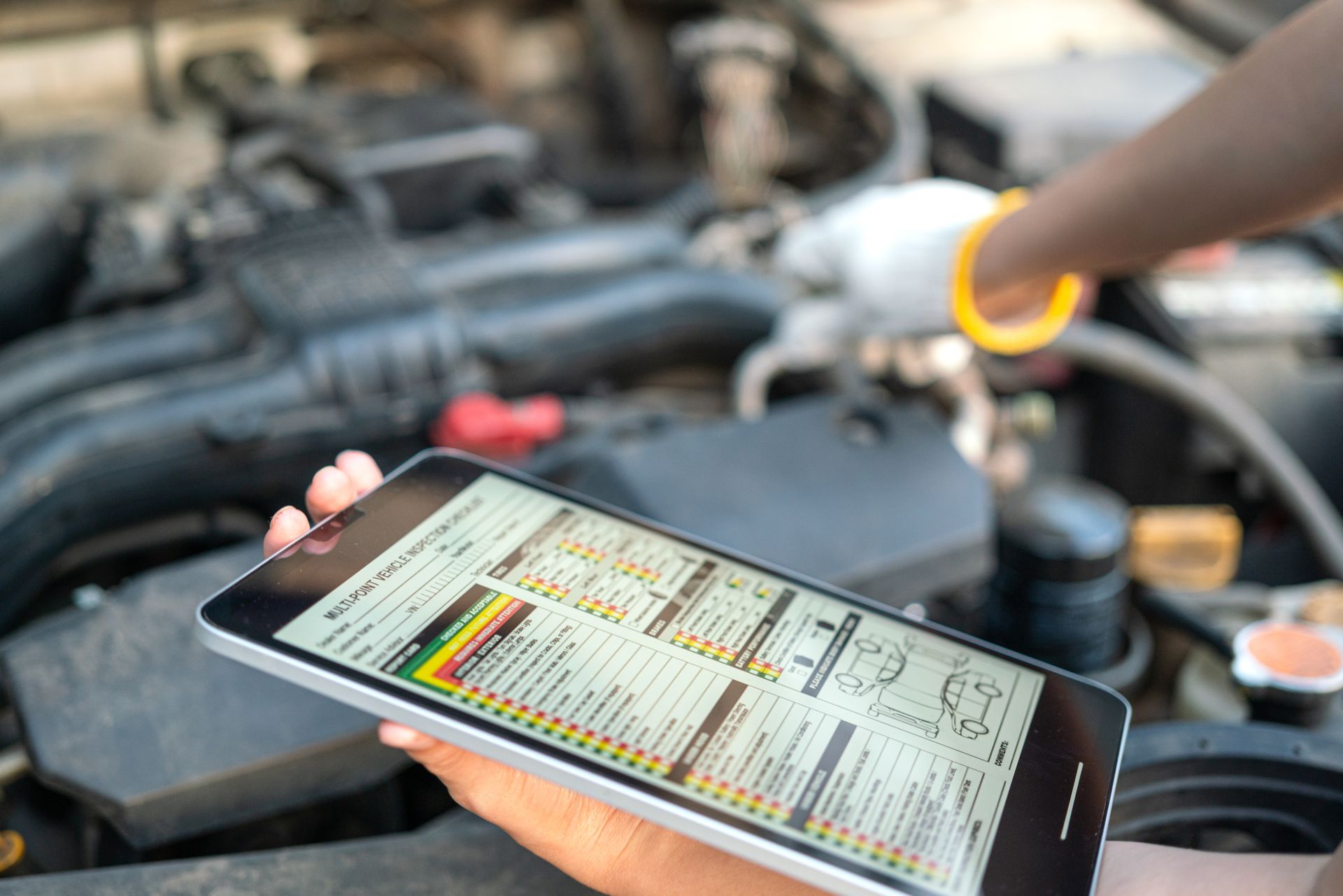
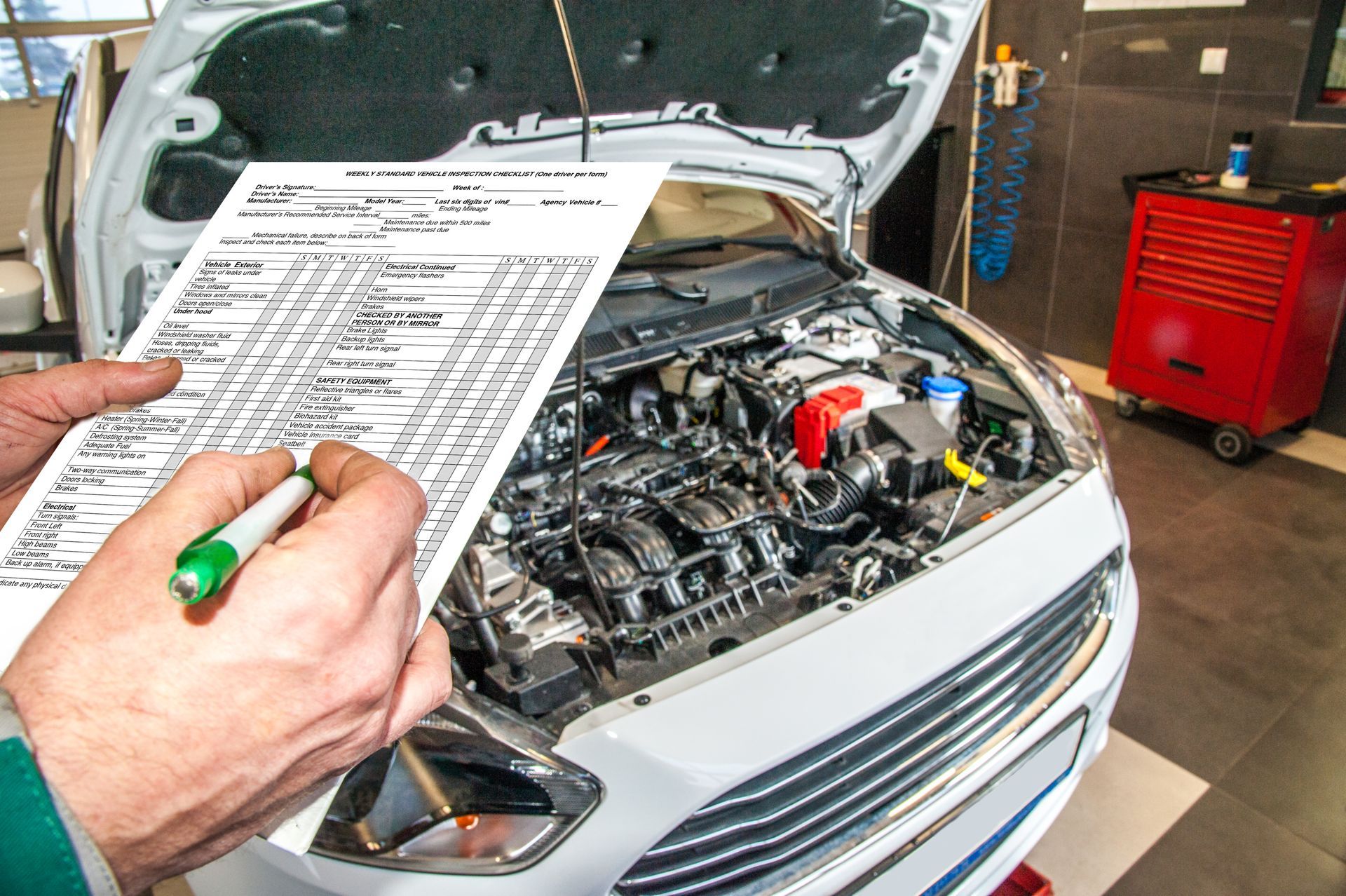
We can road-test the vehicle, check transmission fluid level and condition, and inspect related driveline and brake components to pinpoint the source of the grind. We’ll explain what’s time-sensitive and what a sensible repair plan looks like.
Call or schedule an appointment today.