

Oil leaks are common on older vehicles, even those that have been well-maintained. Rubber seals harden, gaskets flatten, and metal parts expand and contract for years until tiny gaps start to form. Sometimes you notice a drip on the driveway. Other times, you only notice a burnt-oil smell or the dipstick slowly dropping between oil changes.
Why Older Engines Start Leaking More Often
Age and heat cycles are the biggest reasons. Gaskets and seals spend their whole life being baked by engine heat, then cooled, then baked again, and eventually they lose flexibility. Once the material stiffens, it does not conform to surfaces the way it used to, so oil can seep through.
Mileage matters too, but it is not the whole story. An older engine with modest miles can still leak if it has lived through lots of short trips and heat cycles. On the flip side, a high-mileage engine that has seen steady highway use can sometimes stay drier longer.
The Most Common Leak Spots On High-Mileage Engines
Valve cover gaskets are at the top of the list. They sit high on the engine and often seep down the sides, which can make it look like the leak is coming from somewhere lower. If oil drips onto hot exhaust parts, you may smell it after parking.
Oil pan gaskets and drain plug sealing surfaces are also common. Oil pans get hit with road grime and temperature swings, and the gasket can start to sweat around the edges. A drain plug that was overtightened or missing a sealing washer can also create a slow drip that shows up right after service.
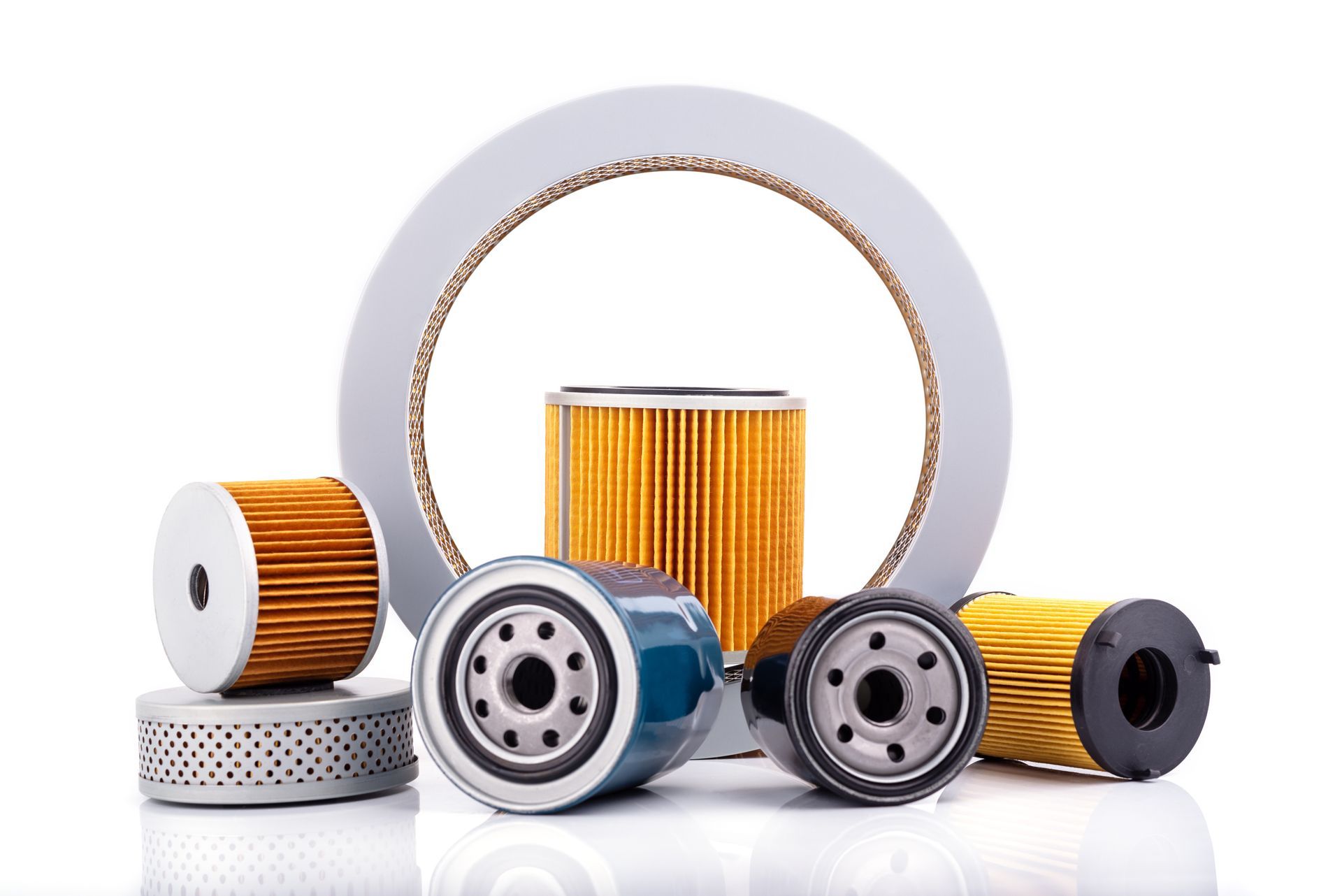
Oil filter housings and cooler seals are another frequent source of problems on older engines. When these seals start leaking, oil can spread quickly because it is under pressure. It often looks messy even when the leak rate is not huge.
Leaks That Hide Until You Drive
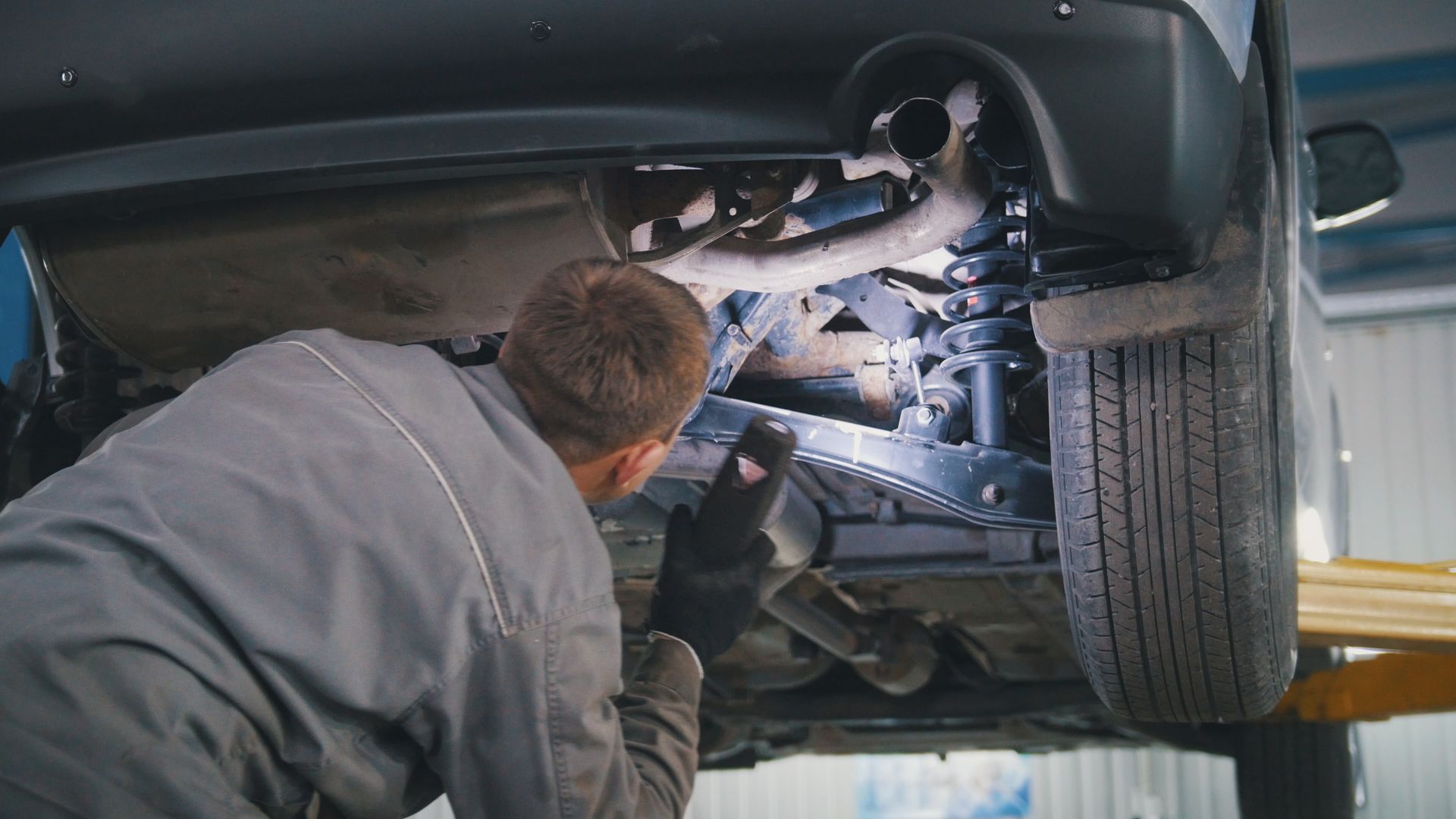
Not every leak leaves a clean puddle. Oil can land on a shield, then spread backward while you drive, coating the underside instead of dripping straight down. That is why some drivers only notice a smell, not a spot.
Some leaks only show up when the engine is hot. Oil thins as it warms up, and crankcase pressure can rise under load, so seepage becomes more obvious after a longer drive. If you only see smoke wisps or smell oil after highway driving, that detail matters.
How To Tell Where The Oil Is Coming From
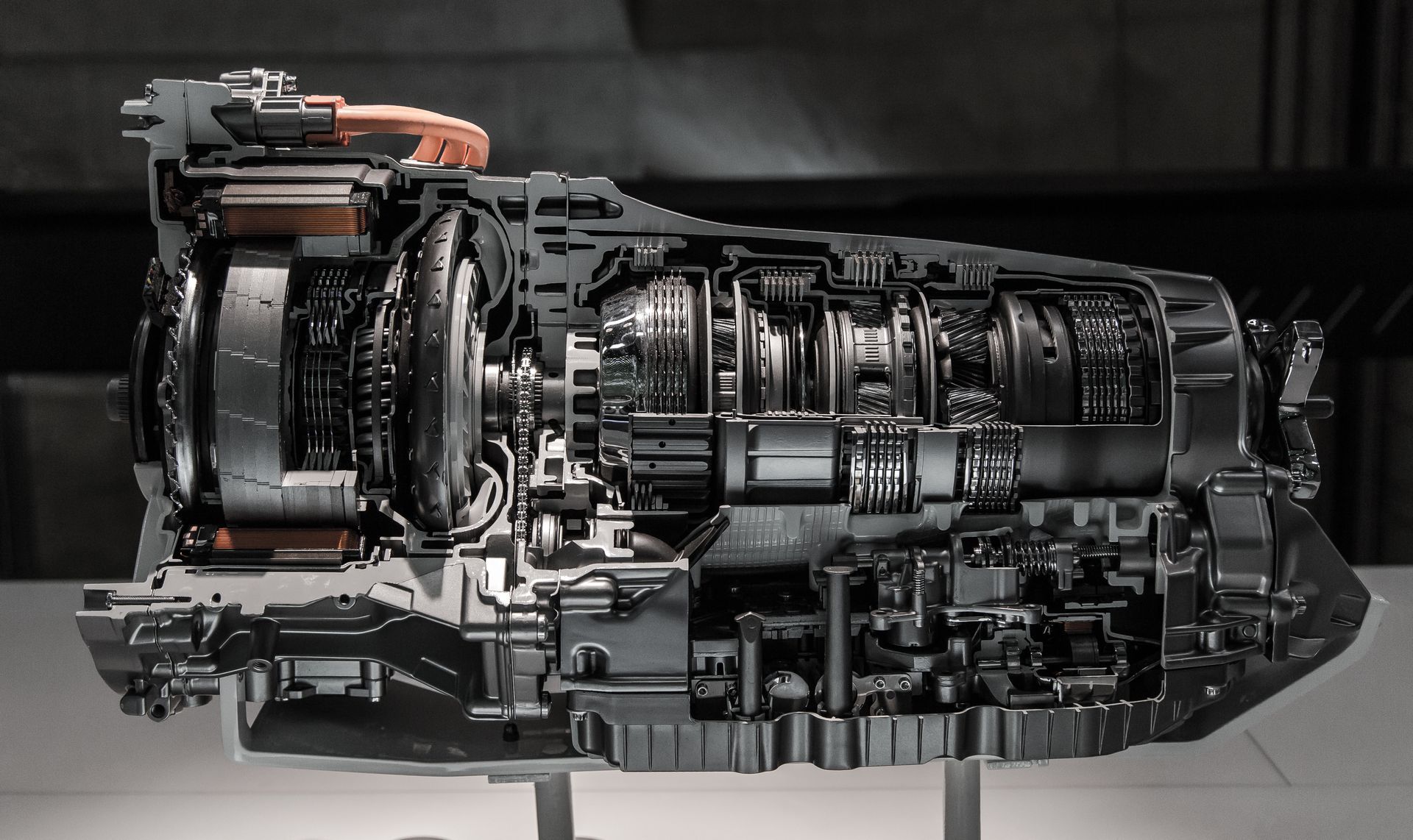
Start with the highest wet area you can find, because oil runs downward and makes the lower parts look guilty. Fresh wetness near the top of the engine often points to valve cover areas or seals around housings. Wetness centered around the bellhousing area can point to rear engine seals, but it can also be oil traveling down from higher up.
It helps to check after the vehicle has sat overnight, then again after a drive. A slow seep may look dry when cold, then show fresh wetness once the engine is hot. A careful inspection with good lighting usually beats replacing parts based on the drip location alone.
Why Small Leaks Turn Into Bigger Problems
A slow leak can become a bigger leak because oil breaks down rubber and attracts grime. Once dirt sticks to a wet area, it keeps the surface damp and can accelerate seal deterioration. Over time, what started as a light seep can become an active drip.
Oil leaks can also create secondary issues. Oil on the serpentine belt can cause squealing and premature belt wear. Oil on electrical connectors or sensors can lead to odd warnings and intermittent problems that feel unrelated.
What You Can Do To Reduce Leaks Over Time
The first step is keeping the oil level correct, even if the leak seems minor. Running low does more damage than most people expect, especially on older engines that may already have a bit of wear. If you notice you are adding oil regularly, that is a sign the leak needs to be addressed.
Staying consistent with regular maintenance helps, too. Using the correct oil grade, replacing worn PCV components when needed, and handling small seepage early can reduce crankcase pressure and limit how much oil gets pushed past tired seals. If the underside is coated, cleaning it and rechecking later often makes the true source much easier to spot.
Get Engine Oil Leak Repair In Greenville, SC With Roper Mountain Auto Care
If you’re seeing oil spots, smelling burning oil, or noticing the level dropping between services, the next step is scheduling service so it’s fixed correctly.
Schedule service with Roper Mountain Auto Care in Greenville, SC, to stop the leak at the source and keep your engine protected before a small seep turns into a bigger mess.