

A battery with rounded or swollen sides is not something you expect to see during a normal under-hood check. The engine may still start, the lights may work, and there may be no battery warning light on the dashboard, yet the case is visibly pushed outward.
One possible cause is a charging-system problem. The alternator supplies electrical power while the engine runs and keeps the battery charged. If that charging voltage goes too high, the battery can overheat internally and begin to swell.
An Alternator Can Overcharge the Battery
A healthy charging system keeps voltage within a controlled range. The alternator produces electrical current, while its voltage-regulation system keeps output from climbing too far.
If regulation fails, the battery can be exposed to excessive charging voltage for extended periods. That extra electrical energy creates heat and increases chemical activity inside the battery. In a conventional lead-acid battery, gas production can rise as well.
Once internal temperature and pressure become excessive, the plastic battery case can begin bowing outward. At our shop, a swollen battery immediately gives us a reason to test charging voltage before installing a replacement.
Battery Swelling Can Come With Other Electrical Symptoms
Overcharging does not always affect only the battery. Higher-than-normal system voltage can create strange behavior elsewhere in the vehicle, especially when sensitive electronic modules are involved.
You may notice unusually bright headlights, bulbs that fail more frequently, a sulfur-like smell under the hood, or electronics behaving inconsistently. In some cases, the battery becomes very hot after driving.
The battery warning light may not always come on. That light can indicate several types of charging faults, but a regulator problem doesn't guarantee the driver will get an obvious warning before the battery is already damaged.
Heat Inside the Battery Is the Bigger Problem
A swollen battery case is a sign that something physical has changed inside. Excessive charging can heat the electrolyte and battery plates enough to damage separators, weaken the case, and accelerate internal deterioration.
You may also see corrosion or dampness around the battery if electrolyte begins escaping. A strong rotten-egg or sulfur smell is another warning sign that the battery is getting unusually hot or producing excessive gas.
During an inspection, we do not press on a swollen case or treat it as a cosmetic issue. A distorted battery has already been stressed and should be handled carefully.
A Bad Alternator Is Not the Only Cause
It is important to test the charging system because other problems can also make a battery bulge. A deeply discharged battery can freeze in cold weather, causing the electrolyte to expand and push against the case. Extreme under-hood heat can also shorten battery life and weaken the housing.
Internal battery failure is another possibility. A damaged cell or internal short can create abnormal heat even when alternator output is within the correct range.
That means replacing the alternator simply because the battery is swollen would be premature. We check the battery and charging system together so we can see which problem came first.
How We Test for an Overcharging Alternator
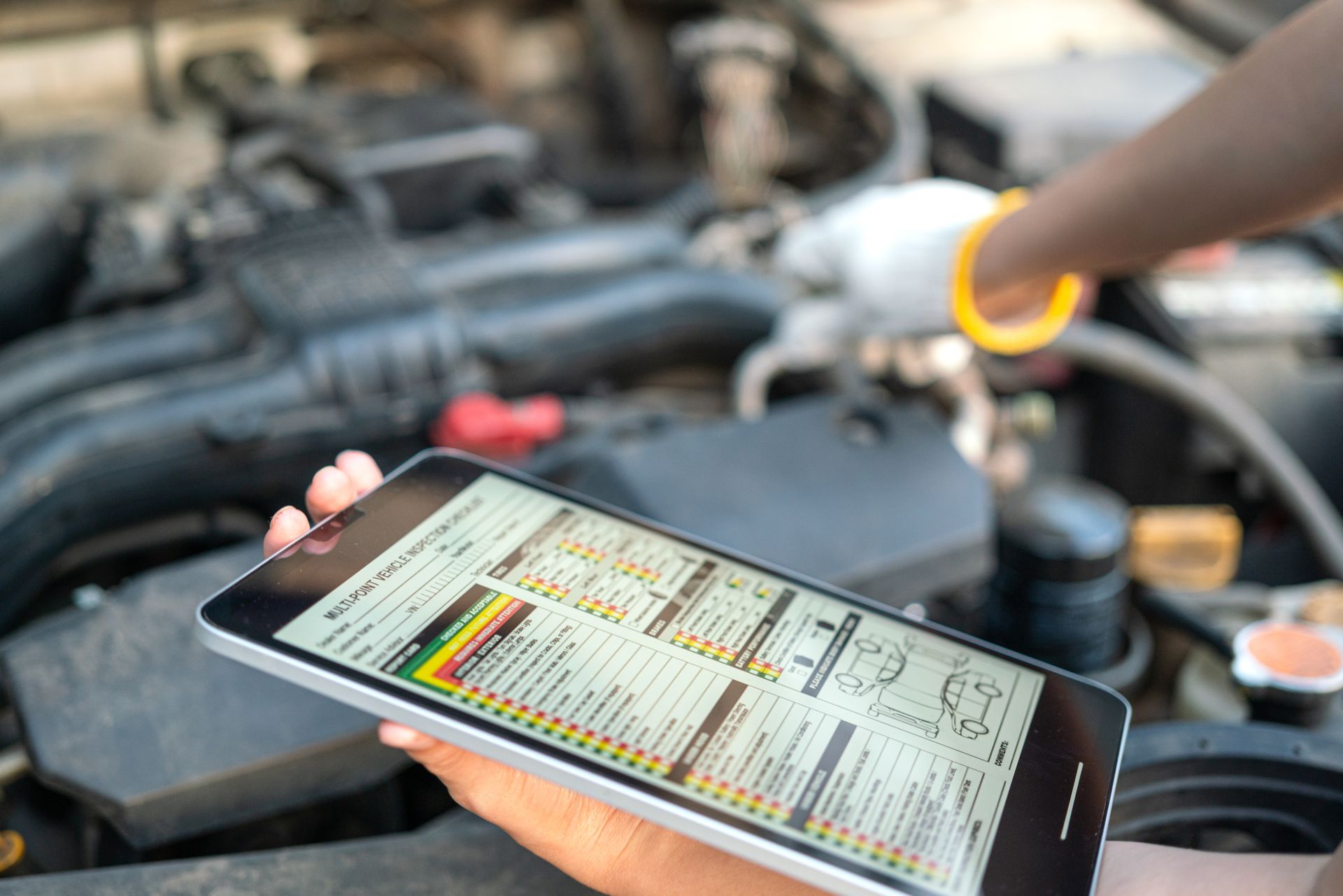
The first step is checking charging voltage with the engine running. We may compare readings at idle and at higher engine speed while adding electrical loads such as headlights, the blower motor, and rear defrost.
A charging-system check can include:
- Battery resting voltage
- Charging voltage with the engine running
- Voltage under electrical load
- Battery temperature and physical condition
- Cable and terminal condition
- Alternator output
- Charging-system fault codes where applicable
If voltage is consistently above the vehicle's normal range, we look at the alternator, voltage regulator, wiring, and battery connections. Some newer vehicles use computer-controlled charging systems, so the expected voltage can change based on operating conditions.
Replacing Only the Battery Can Lead to a Repeat Failure
A swollen battery should generally be replaced because the case and internal components have already been damaged. The next question is whether the charging system caused that damage.
If the alternator is overcharging and you install a new battery without correcting it, the replacement battery can suffer the same fate. That is why we test before handing the vehicle back.
The opposite can happen too. A failing battery can place unusual demands on the alternator, making it work harder than normal. Diagnosing both pieces together gives us a clearer picture than treating them as separate problems.
Do Not Keep Driving With a Bulging Battery
A visibly swollen battery is not something to monitor through the next few months of regular maintenance. The case can leak corrosive electrolyte, internal damage can worsen, and the battery can fail without much warning.
If you notice swelling, strong chemical odors, leaking fluid, smoke, or unusual heat around the battery, avoid handling it unnecessarily. Have the battery and charging system checked before continuing normal driving.
Once we know whether the cause is alternator overcharging, internal battery failure, heat, or another issue, we can repair it without risking the same damage again.
Get Battery And Alternator Service In Greenville, SC, With Roper Mountain Auto Care
If your battery case is swollen, hot, leaking, or giving off an unusual odor, Roper Mountain Auto Care in Greenville, SC, can test the battery, alternator, voltage regulation, and charging system to find out what caused the damage.