

You turn the fan up another setting, but the windshield still clears slowly, and the vents feel weaker than they did earlier in the year. The air may smell dusty for the first few seconds after startup. After months of pollen, yard debris, and dusty driving, the filter is an obvious place to look, but it isn't the only possible explanation.
The useful question is what the filter looks like inside its housing and whether airflow changes after the restriction is corrected. A season on the calendar doesn't tell you exactly how much material your particular filter has collected.
Check the Folds, Not Just the Top Surface
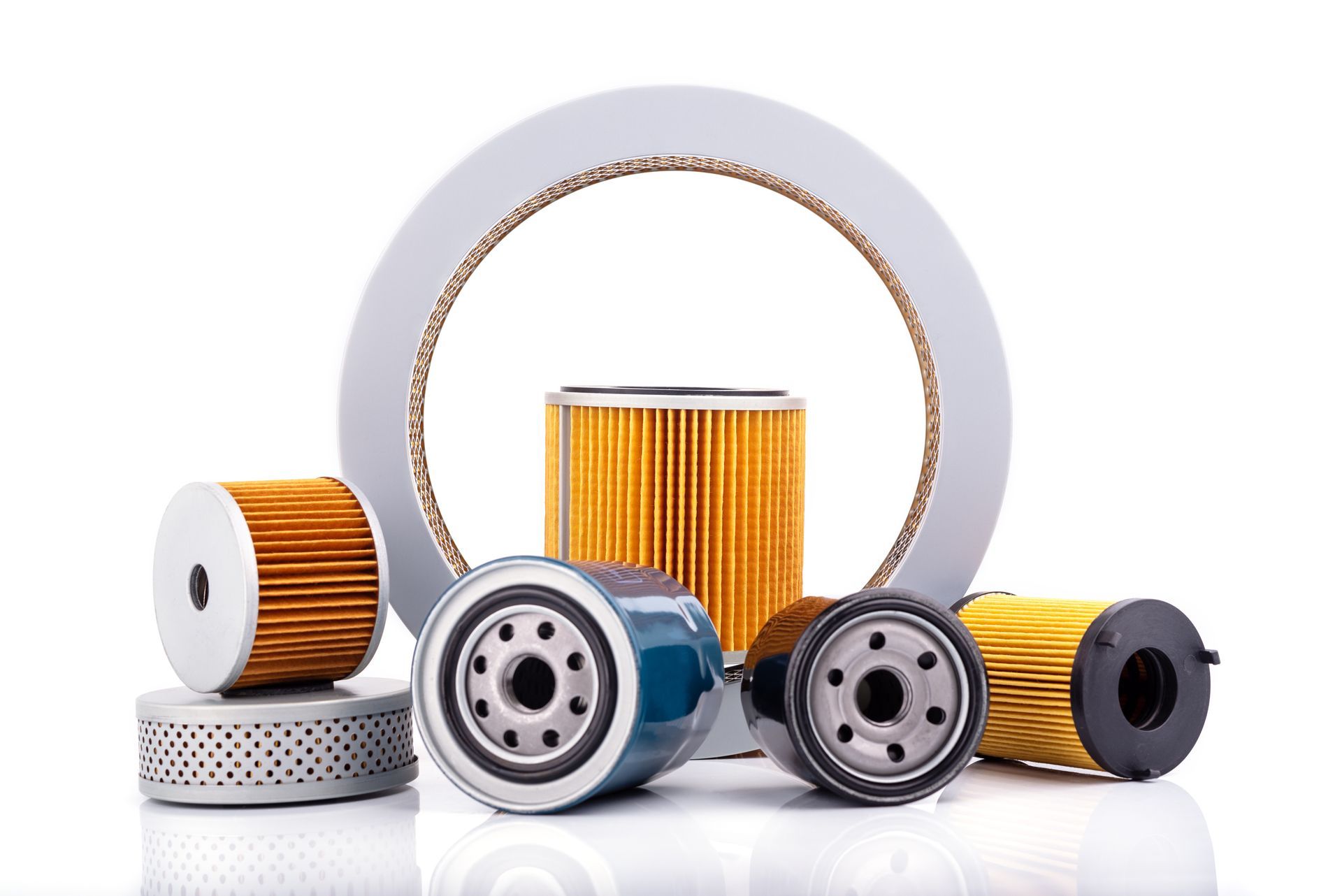
A cabin air filter catches particles before they continue through the ventilation system. Pollen, leaves, fine dust, and other debris can collect between the folds where a quick look from the edge misses them. A filter that seems acceptable on top can have its deeper passages packed with material.
Some filters contain activated carbon and are dark when new, so color alone isn't a reliable replacement test. We look at the actual loading, damaged media, moisture, and fit. A dark filter isn't automatically dirty, and a pale filter isn't necessarily clear if its folds are full of fine dust.
Reduced Airflow Feels Different From Air That Isn't Cold
A restricted filter can limit the amount of air reaching the vents even while the blower sounds busy. You might notice it most when trying to cool a hot cabin or clear a damp windshield. The temperature of the air and the volume of air are separate observations.
Strong airflow that never becomes cold points toward a different A/C investigation. Weak flow from only certain outlets can also involve a distribution door or duct, rather than the filter alone. Describing whether the air feels warm, weak, misdirected, or all three helps avoid treating every ventilation complaint as a refrigerant problem.
A New Filter Won't Fix Water Collecting in the Housing
A wet or musty filter deserves more attention than a routine swap. Water entry, a blocked drainage path, or damp debris can leave the housing wet enough to affect the replacement. A musty odor can also originate around the evaporator rather than in the filter material itself.
During an inspection, the condition around the filter helps separate dry seasonal loading from an ongoing moisture problem. Leaves near the fresh-air intake and evidence of water tracking deserve attention. If the new filter becomes damp again quickly, the job needs to address the water source rather than repeat the same replacement.
Choose the Filter That Fits and Seals Correctly
The replacement has to match the housing dimensions and installation requirements. A filter forced into place can fold at an edge, leave a bypass gap, or interfere with its cover. Airflow arrows and any separate orientation markings should be interpreted correctly rather than assuming every arrow means the top faces upward.
Particle and activated-carbon filters offer different features, but neither should be chosen at the expense of fit. A cabin filter is not protection against an exhaust leak or carbon monoxide. If you smell exhaust or fuel inside the vehicle, investigate the source, not a more expensive filter meant to hide the smell.
Keep Debris Out of the Blower During Replacement
On some vehicles the filter sits above the blower, where loose leaves can fall during removal. That can create a new ticking or fluttering sound the first time the fan runs. Careful removal and cleaning of accessible debris help prevent the service itself from leaving something behind.
Disposable paper-type filters should be replaced rather than washed or blasted with compressed air. Cleaning can damage the media or fail to remove embedded material. A reusable product has its own care instructions. The cover and seals then need to go back correctly, with surrounding trim reinstalled without blocking the housing or trapping wiring.
Let Condition and Driving Exposure Set the Next Check
A vehicle parked beneath trees or driven through dusty areas can load a filter differently from one kept in a garage and used on cleaner roads. The owner's service schedule is the starting point, with an earlier check justified by heavy exposure or a change in airflow.
We can record what the removed filter looked like so the next regular maintenance visit has a useful comparison. After replacement, test several fan settings and outlet modes rather than assuming the job fixed everything. Continued weak airflow, fan noise, or odor should lead to checking the blower, doors, evaporator area, or moisture source that the filter didn't explain.
Get Cabin Air Filter Service In Greenville, SC, With Roper Mountain Auto Care
Roper Mountain Auto Care in Greenville, SC, can check filter condition, housing fit, and the airflow complaint before recommending replacement. Mention any moisture, odor, or new fan noise along with the seasonal dust exposure.